A Nurse's Heartwarming Design for Crafting Embroidered Gifts
The Instant Warmth of "My Favorite Nurse Calls Me Papaw"
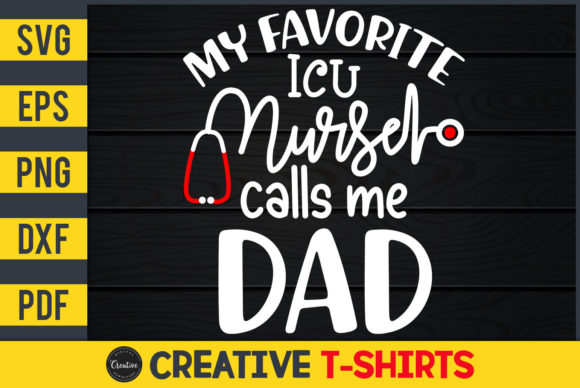
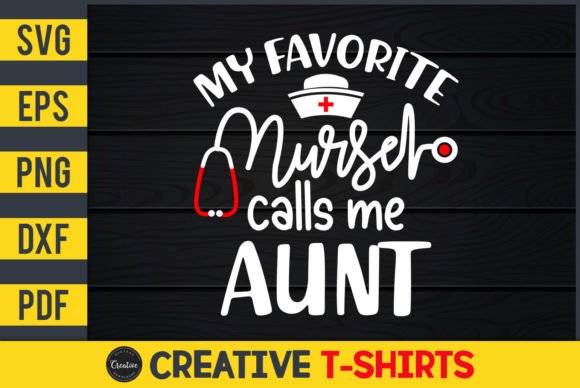
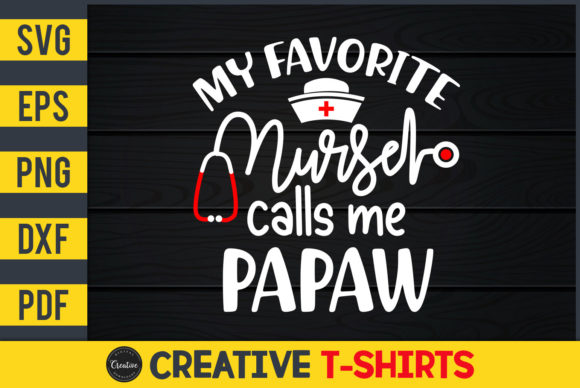
When you open a new embroidery design, you’re looking for that immediate emotional hook—the visual personality that tells you exactly what kind of project it’s meant for. My Favorite Nurse Calls Me Papaw delivers that from the first glance. It’s not just text; it’s a statement wrapped in familial affection. The layout suggests a central, proud declaration, perfect for a focal point. This isn’t a generic graphic; it carries a specific, heartfelt mood. You can already envision it stitched onto a cozy sweatshirt or the corner of a keepsake blanket, a gift that speaks directly from a grandparent’s heart.
Where This Design Finds Its Perfect Home
In practical terms, this embroidery file feels destined for personalized gifts and boutique merchandise. Think of a real scenario: a customer requests a custom tote bag for a retiring nurse who is also a cherished grandfather. This design isn't just decoration; it’s the story. It would work beautifully on:
- Apparel: Sweatshirts, t-shirts, and caps for a personal, wearable tribute.
- Home & Gift Items: Pillow covers, tea towels, or aprons in a family kitchen.
- Keepsakes: Baby items or nursery decor for a nurse’s own grandchild.
- Small Shop Products: As a finished embroidered patch or on boutique-branded merchandise.
The theme is its greatest asset. For creative entrepreneurs and Etsy sellers, it taps into a clear, emotional niche—celebrating the dual role of healthcare professionals within their own families.
Considering the Stitch: Practical Performance on Real Projects
Moving from the idea to the hoop, you need to judge how a design will physically translate. With My Favorite Nurse Calls Me Papaw, the clarity of the lettering is paramount. For machine embroidery, the stitch density in the text areas will be crucial for readability. On a dark fabric, like a navy blue cap, you’d want to ensure thread color contrast is high—perhaps a crisp white or a soft pastel satin stitch to make it pop.
Spots Where a Designer Should Proceed with Care
Every design has its considerations. This one, with its likely focus on text, requires attention to:
- Small Hoop Sizes: If adapting for a tiny item, ensure the lettering scale doesn’t compromise stitch integrity.
- Textured or Stretchy Fabrics: A fleece sweatshirt or a thin t-shirt will need appropriate stabilizer to keep the details sharp.
- Curved Surfaces: Embroidering on a cap requires testing to see how the layout accommodates the curve.
- Products for Frequent Use: An apron or kitchen towel that gets washed often needs robust stitching.
The advice here is universal but vital: always test this design on a scrap of your intended fabric first. Check the small details, run a black-and-white mockup to judge contrast, and compare how it looks on both light and dark background simulations.
The Impact on Your Work and Your Customer's Experience
Using a design like this isn't just about the technical stitch; it's about the final product's value. When a client or a gift recipient sees My Favorite Nurse Calls Me Papaw beautifully embroidered, the reaction is immediate recognition and personal connection. For a small business owner, that translates into customer trust and repeat engagement. The handmade presentation feels intentional and meaningful, far beyond a generic print.
It elevates a simple item into a storytelling piece. A plain tote bag becomes a unique, giftable heirloom. For commercial embroidery projects or craft fair products, this specificity can define a brand’s niche—specializing in healthcare family celebrations.
Essential Notes for the Professional Designer
Before committing this to a client project or your own shop listings, make these your final checks:
- Review the included file formats (SVG, PNG, etc.) for compatibility with your embroidery process and any printable mockups you create for digital product previews.
- Confirm the licensing terms for the digital embroidery file. Can it be used for personal and commercial projects? This is critical before selling finished items.
- Plan your thread colors thoughtfully. Does the design imply a single color for a clean look, or could “Nurse” and “Papaw” be subtly differentiated?
- Consider the product’s entire lifecycle. Will the stitch density hold up on the chosen item? Does the design’s visual weight fit the fabric’s texture?
Remember, the product category—Print Templates and Graphics—means this is a versatile digital asset. But its real worth is proven when the needle meets the fabric, creating something that feels both professional and profoundly personal.
A Design That Bridges the Personal and the Professional
In the end, My Favorite Nurse Calls Me Papaw succeeds because it understands its audience. It’s a graphic designed not just for a machine, but for a moment. For the embroidery designer, it offers a clear, applicable theme. For the maker or seller, it provides a product with inherent emotional value. And for the end recipient, it becomes a cherished, tangible expression of a unique relationship. That’s the practical power of a well-conceived embroidery design: it starts as a digital file and finishes as a real, stitched piece of someone’s story.