A “Pawpaw” Embroidery Design That Celebrates Family Bonds
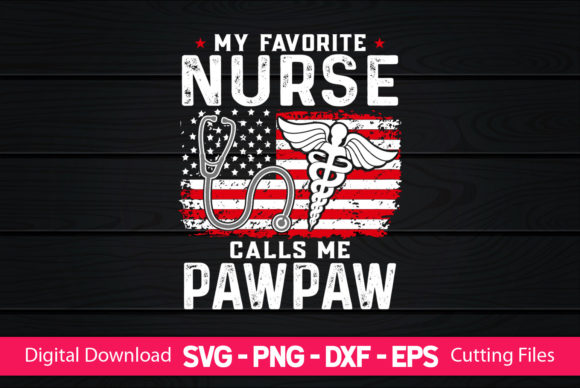
As an embroidery designer who works with clients to create personalized gifts and small shop merchandise, I see hundreds of designs. The ones that stick are not just technically sound; they carry a feeling. When I look at My Favorite Nurse Calls Me Pawpaw, my first impression is warmth. It’s a design built around a relationship, not just a phrase. The central theme is a celebration of a cherished bond between a grandparent—the “Pawpaw”—and a caregiver, likely a family member in nursing. This isn’t generic. It’s specific, personal, and deeply human.
The Mood and Personality in the Hoop
The layout and wording suggest a gentle, proud affection. It’s a declaration, not a shout. For an embroidery project, this means the final stitched product should feel sentimental and heartfelt, not loud or overly decorative. The design likely belongs on items meant as keepsakes or personalized gifts, where the story behind the phrase is the main attraction. Imagine this embroidered onto a soft cotton pillow cover for a nurse’s home, or as a subtle accent on a canvas tote bag a “Pawpaw” might use daily. The visual personality is clean and focused on the message, which tells me the detail level is probably balanced for clear stitching without overly dense fill areas that could stiffen a fabric.
A Real-Life Scenario: Crafting a Gift for a Retiring Nurse
Let’s walk through a real case. A client asks for a custom embroidered sweatshirt for their father, a retired nurse, who is also a beloved grandfather. They want to use My Favorite Nurse Calls Me Pawpaw. My practical design judgment immediately considers placement. On a mid-weight sweatshirt, this design would sit beautifully across the chest or on the upper back. The phrase is the star, so stitching clarity is paramount. I’d think about thread color contrast—perhaps a deep navy or burgundy on a heather grey fabric for a sophisticated, lasting look. The recipient’s reaction would be emotional; it acknowledges both his career and his family role. This isn’t just a logo; it’s a tribute. For a small business owner creating holiday gifts or boutique products, this design adds significant perceived value because of its personal resonance.
Where This Design Performs Beautifully
This embroidery file shines on projects where the text is meant to be read and appreciated. It’s ideal for custom apparel like t-shirts and sweatshirts where the fabric provides a stable, flat canvas. For tote bags and aprons, it creates a wonderful homemade touch that elevates a simple utility item into a personalized gift. In the realm of baby clothes or nursery decor, if the “nurse” is perhaps a new parent, it could be a sweet, affirming detail on a blanket or pillow. As a embroidered patch, it could be applied to a cap or bag, offering flexibility. For craft fair products or Etsy listings, this design helps build customer trust because it feels genuine—it connects with buyers who are looking for something meaningful, not mass-produced.
Handmade Presentation and Professionalism
Using a design with such a clear narrative boosts the handmade presentation. It tells a story, which is the core of a successful craft business. When stitched neatly with proper stabilizer and thoughtful thread colors, the finished product communicates professionalism and care. It shows the maker understood the assignment. This is crucial for digital product sellers offering printable mockups or for apparel decorators selling finished goods. The design’s giftability is high, perfect for wedding gifts for a medical professional, holiday gifts, or retirement celebrations. Its recognition value is personal—it won’t be for everyone, but for the right recipient, it’s everything.
Careful Application: Where to Mind the Details
Any design with text requires careful execution. For My Favorite Nurse Calls Me Pawpaw, I would be cautious on very small hoop sizes. If the lettering is intricate, scaling it down too much might compromise stitching clarity, especially on textured fabrics like towels or certain knits. Thin fabric or stretchy fabric would demand excellent stabilizer to prevent puckering around the stitches. On dark fabric backgrounds, a careful choice of thread colors—possibly a lighter top thread or even a white backing—is needed to keep the text sharp.
I’d avoid using it on highly curved surfaces like caps unless the design is adapted or tested extensively, as text can distort on complex curves. The potential for tiny lettering or detailed corners means a test run is essential. Also, for products that need frequent washing, like kitchen towels or baby items, ensuring the stitch density isn’t too high will help the embroidery remain soft and durable after many washes. Dense stitch areas can make fabric stiff and prone to wear.
Embroidery Designer Notes for a Smooth Project
- Always test the design on scrap fabric first. Use the same material you plan for the final product.
- Check thread color contrast against your final fabric in both natural and indoor light.
- Review stitch density in your machine embroidery software if possible; adjust if needed for your specific fabric.
- Confirm hoop size compatibility. The provided formats—SVG, DXF, PNG—are for cutting machines, so for embroidery, you’ll be converting or using an embroidery-specific file. Ensure your machine and hoop can accommodate the design size you want.
- Inspect small details in a preview. Look closely at the lettering in “Pawpaw” and “Nurse” to ensure clean paths for satin stitch or fill stitch.
- Test it in black and white mockups to see how it reads without color, which helps judge shape and layout strength.
- Compare light and dark fabric backgrounds in your digital previews to plan your thread palette.
- Use proper stabilizer appropriate for your fabric weight and type. This is non-negotiable for professional results.
- Since this is a digital file under the category of Print Templates and Graphics, check whether the design works for both personal and commercial projects by reviewing the license terms included with the purchase. Confirm licensing before selling finished items or digital products. This protects your craft business and respects the creator.
The Final Stitch: Value in the Real World
In practical use, My Favorite Nurse Calls Me Pawpaw affects buyer engagement because it speaks directly to a heartfelt situation. For an Etsy seller or small shop product, featuring this design on a beautifully photographed embroidered tote or pillow can attract customers looking for that specific sentiment. It enhances brand consistency if your shop focuses on family, care, or personalized celebrations.
As a professional, my confidence in a design comes from seeing it work in real embroidery projects. This design, with its clear, relationship-driven message, feels like a reliable design asset. It’s not a flashy trend; it’s a timeless acknowledgment of love and respect. When stitched with care onto a well-chosen item, it transforms a simple finished product into a keepsake. That’s the real value for any maker, hobbyist, or creative entrepreneur—creating something that holds meaning far beyond the threads.