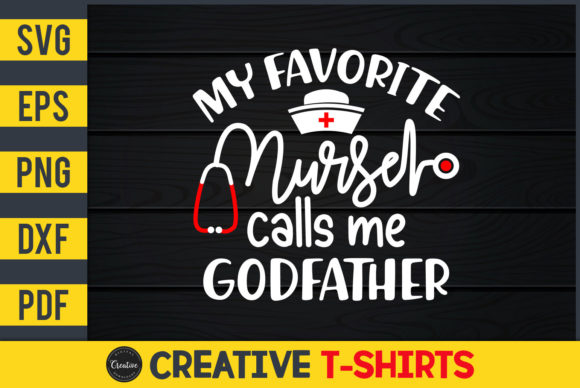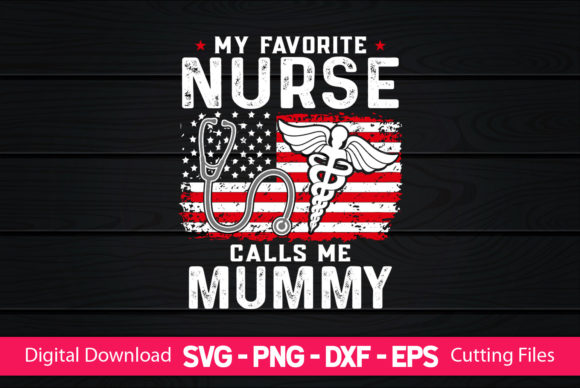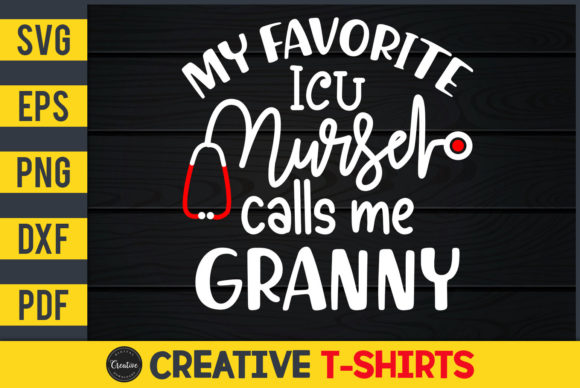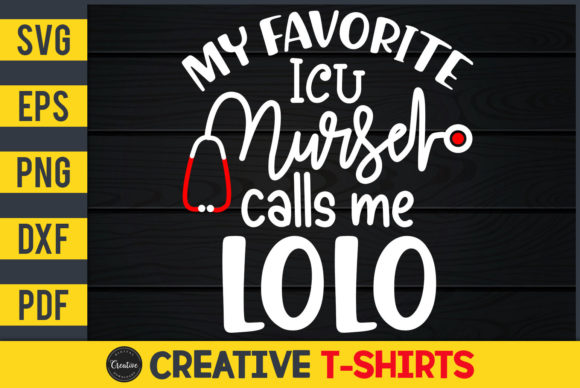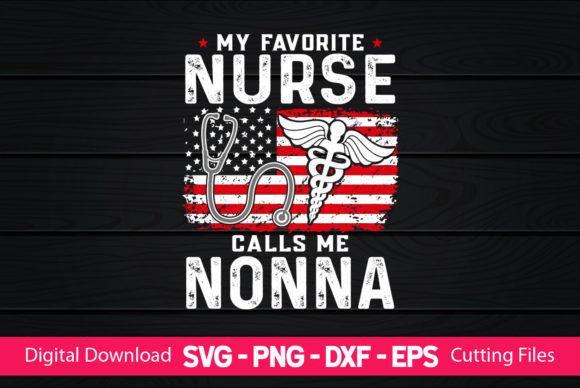
A Review of "My Favorite Nurse Calls Me Nonna" for Embroidery Projects
As a designer who spends more time with embroidery files than embroidery thread, my first job is always to look at a design and see its real-life potential. When I opened "My Favorite Nurse Calls Me Nonna," I immediately felt its warmth. It’s not just a phrase; it’s a story condensed into a layout. The design has a classic, sentimental feel, with the central focus on “Nonna”—a term that carries so much personal weight. The layout suggests a balanced, centered approach, which is a practical blessing for embroidery, making hooping and placement straightforward on a variety of products.
The Natural Home for This Design
This isn't a design I’d throw onto any random product. It speaks to a specific, heartfelt connection. Imagine you’re preparing a custom gift for a nurse, perhaps from her grandchildren or a proud family member. My mind goes straight to a soft, high-quality sweatshirt or a cozy blanket. The sentiment deserves a canvas that feels personal and cherished. A tote bag for her work days, or a personalized pillow cover for her home, would also be perfect. For a boutique or small shop focusing on family-themed merchandise, this design could be a cornerstone for a line of nurse appreciation gifts, especially around holidays or graduation times.
In a real project scenario, say a client requests an embroidered cap for their grandmother who is a nurse. The centered, likely clear lettering of "My Favorite Nurse Calls Me Nonna" would work well on the curved, front panel of a cap, provided the details are sized appropriately. The emotional payoff is high: a finished product that feels uniquely tailored and meaningful, which directly boosts its perceived value and giftability.
Where the Stitching Might Need Extra Attention
Any design with text, especially one that is the core of the message, requires careful execution. On textured fabrics like some sweaters or on very stretchy materials, small lettering can lose clarity if the stabilizer isn’t perfect. I would be cautious about using this on very thin fabrics where dense stitch areas might cause puckering. Dark fabric backgrounds are a classic challenge; you need to ensure your thread color choices have enough contrast to keep the message readable and bright. The design might not be suited for extremely small hoop sizes if the detail level is fine—always test first.
Products that will undergo frequent washing, like kitchen towels or baby items, need robust stitching. Without knowing the exact stitch count or density from the provided file formats—SVG, DXF, PNG—I would advise running a test on scrap fabric first to check the stitch integrity. This is a non-negotiable step for any serious embroidery work, commercial or personal.
Turning a Digital File into a Professional Product
The practical value of receiving multiple file formats—SVG, DXF, PNG—is immense for a maker. It allows for flexibility. You can use the PNG for quick printable mockups to show clients on your Etsy listings or for creating digital previews for your craft business. The vector formats are key for scaling the design cleanly to different product sizes without losing quality, whether for a small baby bib or a large tote bag.
For visual appeal and customer trust, a clean, well-stitched version of this design on a finished product communicates professionalism. The handmade presentation feels deliberate and skilled, not haphazard. This consistency builds your brand as a decorator or seller. For commercial embroidery projects, like a batch of aprons for a hospital fundraiser, the design’s clear theme would create strong recognition and engagement.
Embroidery Designer Notes for a Smooth Project
Before you load this embroidery file, here’s my checklist from the worktable. Always test on a scrap of the actual project fabric first. Check thread color contrast thoroughly; run a test in both light and dark fabric backgrounds if you plan to offer both options. Inspect the small details in the design preview—pay attention to any tiny corners in lettering that might need a slower stitch speed.
Confirm your hoop size can accommodate the design comfortably. Use a stabilizer appropriate for your fabric—this is not a step to skip. And crucially, before selling any finished items or using the design as a commercial asset, confirm the licensing terms of the digital file. While the product is listed under Print Templates and Graphics, the specific license for finished products is something you must verify independently.
Finally, think about the stitch types implied by the design. Without exact details, consider how satin stitches might be used for bold lettering or fill stitches for background elements. The density will affect the final feel; a overly dense design on a delicate baby garment might be too stiff. Your goal is to make "My Favorite Nurse Calls Me Nonna" look as warm and inviting stitched as it feels conceptually.
The Final Impression for Your Business
This design is a specialized tool in your embroidery toolkit. It’s not for every project, but for the right project—a personalized gift, a niche product in your small shop, a heartfelt holiday embroidery—it performs beautifully. It creates a mood of familial pride and professional respect intertwined. When stitched with care on a suitable product, it elevates a simple item into a story. For crafters and creative entrepreneurs, that transformation is exactly what adds value, builds customer loyalty, and makes the work worthwhile. Approach it with practical preparation, and "My Favorite Nurse Calls Me Nonna" will become a favorite in your portfolio too.