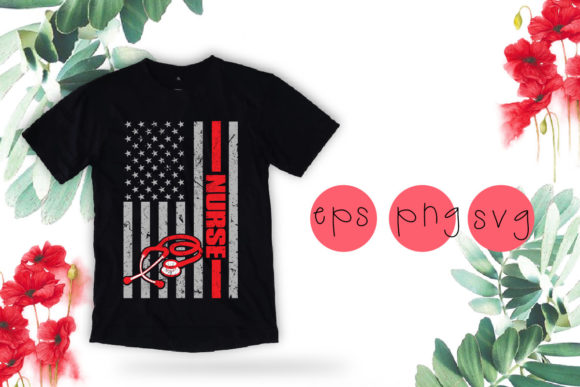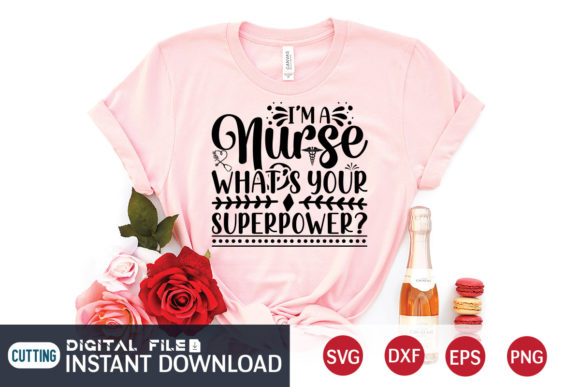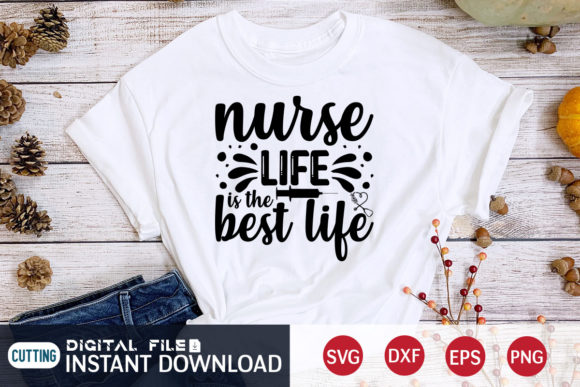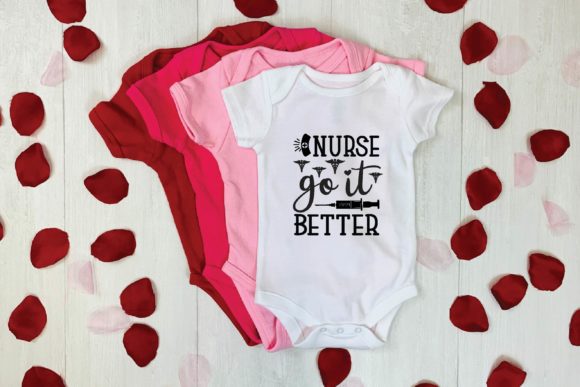
An Embroidery Designer's Review of "Nurse Lover" T-Shirt Design
As someone who works with embroidery files daily, for both personal projects and client work, I look at every new design with a practical eye. I’m not just judging it as a graphic on screen; I’m picturing how it will stitch out, how it will feel as a finished product, and where it would genuinely shine. So when I evaluate the T-Shirt Design-Nurse Lover, I’m thinking about its journey from a digital file to an embroidered cap, a heartfelt gift, or a bestselling item in a small shop.
The First Impression: Warm, Recognizable, and Ready to Stitch
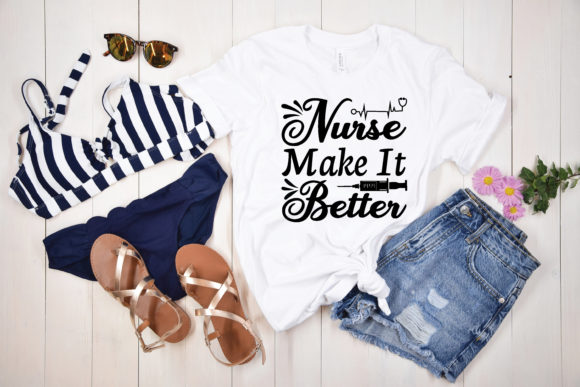
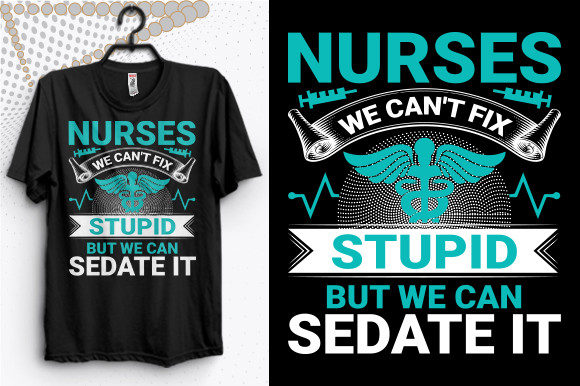
The mood here is clear: appreciation and warmth. The theme is immediately recognizable and carries a personal, celebratory vibe. It’s not a clinical graphic; it’s a tribute. For an embroidery designer, this is a great starting point—a design that connects emotionally often performs well as a handmade product. The layout and detail level feel balanced. It doesn’t appear overly complex, which is a plus for clean stitching on apparel. The visual personality is friendly and professional, making it suitable for a range of projects beyond just a tee.
Where This Design Naturally Belongs
My mind immediately goes to custom apparel for nurses, of course, but also to personalized gifts. Think about embroidering this onto a high-quality tote bag for a nursing student graduating, or as a central motif on a cozy sweatshirt for a longtime nurse. It would translate beautifully into a framed patch or a decorative pillow cover for a home office. For small business owners, this design could anchor a line of boutique merchandise for healthcare workers—aprons, kitchen towels, or even simple nursery decor for a nurse’s new baby. The key is that it feels specific and authentic, which builds customer trust in your craft business.
Performance in Real-Life Embroidery Projects
Let’s walk through a real scenario. I’m preparing a custom embroidered sweatshirt as a holiday gift for a nurse friend. I’ve chosen a soft, mid-weight cotton blend. Because the design description notes it’s made of vector shapes and is resizable, I can adjust it to fit the space perfectly without worrying about pixelation. The fact that color change is possible is crucial here; I might shift the palette to match her favorite colors or the sweatshirt’s hue. I’ll be using satin stitches for clean lines and fill stitches for solid areas.
On a tote bag or apron, the design’s clarity will lend a professional, handmade presentation. For something like a baby blanket or cap, scaling it down appropriately and choosing softer thread colors could make a wonderful personalized gift. As an Etsy seller, you could use this design across multiple products—from embroidered patches to printable mockups for digital listings—creating strong brand consistency. For commercial embroidery projects, like a batch of caps for a nursing unit, the resizable vector nature means you can standardize the size efficiently.
Careful Considerations for Stitching Success
This is where practical design judgment matters most. While the design seems well-composed, any embroidery file requires testing on your intended substrate. For small hoop sizes, like on a child’s item or a cap’s curved surface, you must check that the details, especially any potential tiny lettering, remain clear and don’t become overly dense. Stitching on textured or stretchy fabric demands a good stabilizer; a dense stitch area here could pucker thin fabric. On dark fabric, thread color contrast is paramount—test your palette on scrap first.
Also, consider products that need frequent washing, like t-shirts or kitchen towels. A design with very dense stitching might wear differently than a lighter one. Always inspect the small details in the provided files before committing to a project. Run a test stitch on scrap fabric that mimics your final product’s texture and color. This step is non-negotious for maintaining professionalism and ensuring the finished product’s visual appeal and durability, which directly affects customer engagement and value.
Impact on Your Project and Your Business
Using a design like T-Shirt Design-Nurse Lover effectively can elevate your work. Its recognizable theme boosts the giftability of an item—it feels thoughtful. For a crafter or maker, a clean, well-stitched version of this on a product conveys skill and care, increasing that item’s perceived value in a craft fair or online shop. For the digital product seller offering this as a graphics asset, its versatility (the included JPG, PNG, Ai, SVG, and EPS formats) means it serves multiple creators well.
However, your execution determines the outcome. The design is a tool. Your choice of thread colors, fabric, stabilizer, and hoop size brings it to life. A crisp embroidery on a crisp polo shirt looks professional; a slightly softened rendition on a baby blanket looks loving. It’s this adaptability that makes such a design a useful asset for creative entrepreneurs.
Practical Notes for Embroidery Designers
- Always, always test the design on scrap fabric first. This reveals everything about stitch density and thread behavior.
- Check the provided file formats in the zipped folder to ensure you have the correct type for your embroidery software or printable mockup needs.
- Review the design on both light and dark backgrounds in your software to plan color contrasts.
- Confirm the licensing terms for this specific design before using it for commercial embroidery projects or selling finished items. The description states it’s “100 Print ready,” but clarify what that means for physical stitched products.
- When resizing, do it proportionally and re-check detail clarity, especially if aiming for a very small or very large final stitch.
- Consider fabric texture: a smooth polo might handle detailed areas differently than a looped sweatshirt material.
In the end, T-Shirt Design-Nurse Lover presents itself as a versatile, emotion-driven graphic with solid technical foundations for embroidery adaptation. Its real-world use hinges on your skill and preparation as a designer. Picture it stitched out, imagine it on that gift, visualize it in your shop listing. Then, with those practical steps completed, you’ll know exactly the kind of beautiful, meaningful handmade product it can become.