My Favorite RN Nurse Calls Me Godfather: A Designer's Hands-On Review
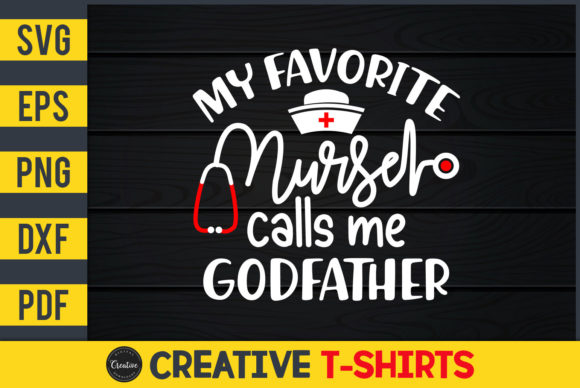
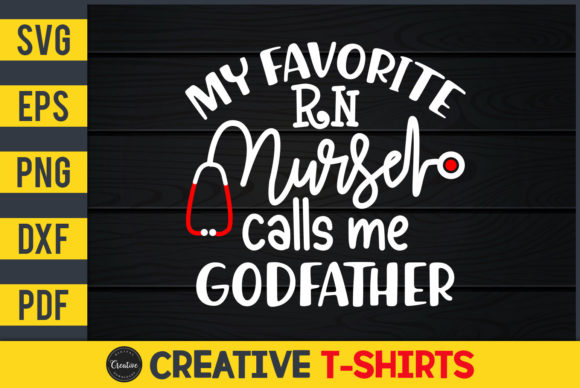
When a new embroidery design lands in my library, my first question isn't about file formats—it’s about character. How does it feel? What story does it tell when stitched onto fabric? My Favorite RN Nurse Calls Me Godfather immediately struck me as a design with a specific, warm-hearted purpose. It’s not a generic graphic; it’s a personal tribute, a badge of affectionate honor. From a designer’s perspective, this creates a unique mood: playful, proud, and deeply personal. The visual personality leans into a classic, almost vintage-inspired sensibility, likely centered around that central phrase with supporting decorative elements. This isn’t a flashy, dense piece; it feels like a statement meant to be clear, readable, and emotionally resonant.
The Perfect Project Fit: Where This Design Naturally Belongs
I envision this design excelling in projects where the personal connection is paramount. Imagine a custom embroidered tote bag for a nurse who’s been a rock for a family, or a cozy sweatshirt gifted by a grateful patient. It’s a natural fit for a heartfelt personalized gift. In my mind, I’m already thinking through a real scenario: a client requests a special pillow cover for a nurse retiring after decades of service. This design, stitched neatly in a complementary thread palette, becomes the centerpiece of that gift—a tangible “thank you” that carries humor and respect.
For small business owners and Etsy sellers, this opens a niche. It’s ideal for custom apparel like tees or caps, or as a featured element on aprons, kitchen towels, or even a framed hoop art piece for a clinic office. It speaks directly to a very specific audience—those looking to celebrate the special nurse in their life—which makes it a powerful product for targeted craft business merchandise.
From Digital File to Stitched Reality: Performance Considerations
The promise of a design is in the digital file; its truth is in the stitching. While the provided formats like SVG, PNG, and PDF suggest versatility for cutting and printing, for embroidery, we need to translate that into stitch clarity. The key for My Favorite RN Nurse Calls Me Godfather will be ensuring that the text, likely the hero of the design, remains crisp and legible after conversion to stitches.
On a medium-weight cotton tote bag or a sturdy apron, with proper stabilizer, this should perform beautifully. On a fluffy sweatshirt, you’ll want to manage stitch density to prevent puckering. For a delicate baby blanket or finer fabric, I’d be cautious—the design’s detail level needs to be assessed in a test run. The potential for small decorative accents or lettering means that on textured fabrics or curved surfaces like caps, a careful test on scrap material is non-negotiable. Stitching on dark fabric will require thoughtful thread color choice for maximum contrast and impact.
Where This Design Requires a Designer's Careful Hand
Not every design is for every project. Here’s where I’d proceed with measured steps. If the design contains intricate, tiny lettering within “Godfather” or the “RN” title, very small hoop sizes might compromise its readability. Similarly, on stretchy fabric like a thin tee, stabilizer choice becomes critical to maintain the design’s shape after wear and washing. For products destined for frequent laundering, like a kitchen towel, opting for robust stitch types like a solid satin stitch for outlines and a less dense fill stitch for backgrounds can enhance longevity.
The emotional weight of the design also affects its application. It’s a design that builds customer trust when executed well—a clean, professional embroidery job on a gift speaks volumes about your care as a maker. Conversely, a rushed, poorly stabilized application could undermine the heartfelt message. For commercial embroidery projects or sellers offering finished products, this design, when stitched with precision, elevates the handmade presentation and feels genuinely giftable.
Beyond the Hoop: Impact on Appeal and Engagement
This design isn't just stitches; it’s a conversation starter. On a finished product, it creates immediate visual appeal through its thematic clarity. People recognize its intent instantly—it’s a celebration of a specific relationship. That recognition drives buyer engagement. For a creative entrepreneur, offering this as a customization option on your online shop can attract customers looking for that perfect, meaningful gift for a nurse. It adds value by being uniquely appropriate, not generically pleasant.
For brand consistency, if your shop focuses on medical appreciation, caregiver gifts, or personalized humor, this design fits like a glove. It reinforces your niche. Using it in printable mockups for your digital product listings or as a digital embroidery file offering itself, it serves as a strong design asset that promises a specific emotional payoff for the end user.
Practical Notes from the Worktable
Before loading this file for a client’s sweatshirt or your own product line, here’s my checklist. Always, always test the design on scrap fabric first. Use the same fabric and stabilizer you plan for the final project. This reveals everything: how small details like periods or decorative curls stitch out, whether the stitch density is appropriate for your material, and if your chosen thread colors pop against the background.
Check the design in both black and white digital mockups to understand its form. Then, stitch a sample on both a light and a dark scrap to evaluate contrast. Confirm your hoop size can accommodate the design without forcing you to compromise on detail. Crucially, before selling any finished embroidered patch, tote, or apparel, verify the licensing terms included with the file. Ensure your use—whether for personal gifts or commercial embroidery projects—is covered. This protects your business and respects the designer’s work.
In the end, My Favorite RN Nurse Calls Me Godfather is more than a graphic; it’s a potential keystone for a deeply personal project. It asks the maker to bring technical care to match its emotional weight. When done right, it results in a product that feels considered, special, and wonderfully human—exactly what good embroidery should be.