Reviewing a Heartfelt Design for Real Embroidery Projects
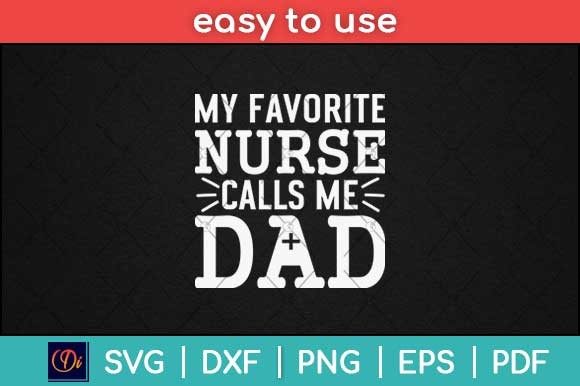
Whenever I get a new embroidery design, my first question is always practical: where will this actually live? Is it a quick, fun patch or something destined for a keepsake? Today, I'm looking at My Favorite Nurse Calls Me Dad Svg. At first glance, it's a sweet, personal statement. But as a designer who uses files like this for client work and my own handmade products, I need to think about how it translates from a digital graphic to a stitched, physical object.
The Immediate Mood and Visual Personality
This design creates a warm, proud, and slightly humorous mood. The phrasing "My Favorite Nurse Calls Me Dad" has an immediate emotional hook—it's specific, personal, and celebrates a unique relationship. Visually, as a graphic, the layout is straightforward, which is excellent for embroidery. The clarity of the lettering means the message will be the star, without competing with overly intricate decorative elements. This isn't a densely detailed floral motif; it's a statement piece. Its personality feels genuine and gift-ready, perfect for something like a custom sweatshirt or a framed hoop art meant for a nurse's home or a dad's office.
Where This Design Shines in Real Projects
I imagine this design embroidered on a soft, heather gray sweatshirt for a father—a practical, wearable gift he can use daily. The sentiment is strong enough to carry a product. For small business owners and Etsy sellers, it fits beautifully into niche markets: nurse appreciation gifts, personalized father's day items, or healthcare family memorabilia. It would work wonderfully on a tote bag for a nursing student, a pillow cover in a living room, or even a kitchen towel in a home where a family member is in the medical field.
For baby items, consider a simple embroidered patch on a blanket for a newborn whose parent is a nurse. The scale allows it to be adapted. As a digital embroidery file, its success hinges on stitch execution. The clean lines suggest it would perform well as a satin stitch for the lettering, creating a smooth, professional look on custom apparel. On a cap or hat, the curved surface would require careful hoop placement, but the message is short enough to fit comfortably across the front panel.
Considering the Practical Embroidery Details
This is where a designer's experience really matters. While the product description notes it's a cut file for Cricut and Silhouette, for machine embroidery, we're thinking about different parameters. The key with a text-based design like this is stitch clarity. Small lettering, if any is present, needs careful attention. I would absolutely test this on scrap fabric first—a medium-weight cotton canvas for a tote or a jersey knit for a t-shirt—to see how the fill stitches behave.
- Thread Color Contrast is crucial. This message deserves to be read clearly. On light fabrics, a bold navy or black would be striking. On dark fabrics, a bright white or a cheerful, high-contrast color like a golden yellow would make it pop.
- Stitch Density for the fill areas needs to be appropriate for the fabric. A dense stitch on a thin t-shirt might cause puckering; on a sturdy pillow cover, it would add beautiful texture.
- Always use the proper stabilizer. For stretchy fabrics like sweatshirt fleece, a cutaway stabilizer will help maintain the design's shape after frequent wear and washing.
- Check your hoop size. The design's width will determine the minimum hoop you can use. For a larger statement on a hoodie, a bigger hoop is fine. For a more delicate application on a baby bib, you'd need to scale it down and ensure the details remain clean.
Potential Challenges and Careful Applications
Not every design is for every surface. My Favorite Nurse Calls Me Dad Svg would require careful execution on certain projects. On highly textured fabrics like some blankets or boucle knit, the fine details of the lettering might get lost. Similarly, on very small items like the cuff of a cap or a tiny patch, you'd need to ensure the text scale doesn't render any words illegible.
For products destined for frequent washing—like aprons or kitchen towels—the integrity of the stitches is key. A well-digitized file with appropriate underlay and stitch types will hold up. This is where testing is non-negotiable for a professional result that builds customer trust. For commercial embroidery projects or a small shop selling these items, the finished product must look crisp and durable.
The Impact on Product Value and Buyer Engagement
From a business perspective, this design adds value through its specific sentiment. It's not generic. For a creative entrepreneur, it allows you to target a very specific customer: someone looking for a gift for a nurse who is also a parent. That specificity increases giftability and recognition. An embroidered tote bag with this phrase feels more thoughtful and personal than a blank one, elevating the handmade product.
It supports brand consistency for a shop focused on healthcare, family, or personalized gifts. In your Etsy listings or craft fair displays, a well-embroidered sample on a nice sweatshirt immediately communicates quality and emotional connection, boosting buyer engagement. People respond to stories, and this design tells a little one.
Final Designer Notes Before You Hoop It Up
My final thoughts are always a checklist. Before I'd run this for a client or add it to my product line, I'd do the following:
- Run a test stitch on the actual fabric type I plan to use (e.g., cotton for a pillow, polyester for a cap).
- Review it in both black and white mockups to visualize it on light and dark fabric backgrounds.
- Inspect the small details in the test stitch—are corners clean, are letters distinct?
- Most importantly, confirm the licensing for the file. The product is listed under Print Templates and Graphics. Ensure your use—whether for personal gifts or for selling finished small shop products—is covered. Never assume.
My Favorite Nurse Calls Me Dad Svg has the core ingredient for a successful embroidery project: a clear, emotional message that people want to wear, display, and give. Its practical success depends entirely on how you, the maker, translate it from a graphic to stitches. With careful testing and the right fabric match, it can become a standout, heartfelt piece in any embroidery portfolio or product collection.