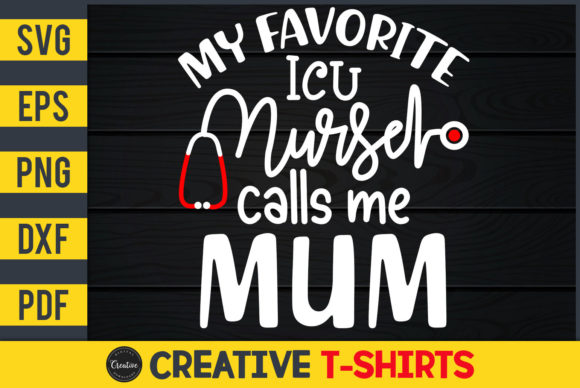
A Designer's Take on the "My Favorite Nurse Calls Me Mum" Embroidery File
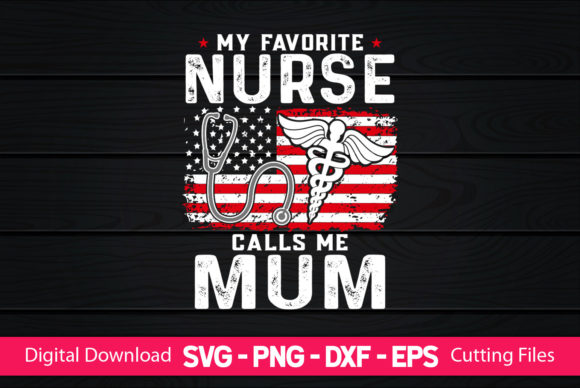
From a designer's perspective, the moment you open a new embroidery file is crucial. You're looking beyond the digital preview; you're imagining the stitches, the texture, the final product in a customer's hands. With "My Favorite Nurse Calls Me Mum," the first impression is immediately warm and personal. It's a phrase that carries emotion, and the design's straightforward, clean presentation frames that sentiment perfectly. There’s no excessive flourish—it's a statement meant to be embroidered, not obscured.
The Heart of the Design: Where Emotion Meets Practical Application
This isn't just text; it's a narrative. The phrase naturally evokes a specific, tender relationship. For embroidery, this means the design belongs to projects where that personal connection is the entire focus. I picture it instantly on a cozy, well-worn sweatshirt for a mother, or as a beautifully simple centerpiece on a tote bag she might use daily. The mood is gratitude and familial pride, which translates wonderfully into handmade gifts. For a small business owner or Etsy seller creating personalized offerings, this is a potent design asset. It speaks directly to a heartfelt occasion, be it a holiday, a thank-you gift, or a boutique baby product celebrating a nurse-mom.
Real-World Embroidery: From Digital File to Stitched Product
When considering real-life embroidery situations, the clarity of the lettering is paramount. In the provided formats—SVG, DXF, PNG—the design appears built for clean translation into satin stitches or precise appliqué. I’d test this first on scrap fabric, perhaps a mid-weight cotton like a tea towel or apron, to gauge the stitch density. It feels ideal for a medium hoop size, allowing the lettering to be stitched with definition without becoming overly dense.
For client projects, imagine embroidering this onto a classic canvas tote. The text becomes a permanent, cherished declaration. On a baby blanket or a nursery pillow cover, it shifts from a simple phrase to a keepsake. As an embroidered patch, it could be applied to a cap or a nurse's bag, adding a personalized touch. Its strength lies in its versatility across these personalized products, from custom apparel to boutique merchandise. The design doesn't fight with the fabric; it complements it.
Careful Considerations: Where This Design Demands Attention
Even with a clean design, execution matters. The small lettering, particularly in "Mum," requires attention. On very textured fabrics like some sweaters, or on dark fabrics where thread color contrast is critical, a test run is non-negotiable. I would advise checking the stitch clarity on a black mockup versus a white one to finalize thread choices.
Stretchy fabrics or thin materials need proper stabilizer to keep those crisp lines. For curved surfaces like caps, the layout is linear, so placement needs to be thoughtfully planned to follow the curve without distortion. Also, for products destined for frequent washing, like kitchen towels or baby items, ensuring the stitch density is secure and the threads are colorfast will maintain the design's integrity and the product's value over time.
The Impact on Your Craft Business and Customer Trust
Using a design like "My Favorite Nurse Calls Me Mum" effectively impacts more than just the product. For a creative entrepreneur, it elevates the offering. It shows an understanding of niche, emotional gifts, which builds customer trust. The handmade presentation feels intentional and professional. When a customer receives a beautifully embroidered pillow with this phrase, the giftability is inherent. It fosters recognition for your brand as a source for meaningful custom embroidery.
For digital product sellers offering printable mockups or design assets, this file serves as a strong, relatable graphic. Its application in commercial embroidery projects, say for a small shop creating a line of nurse-appreciation merchandise, adds consistency and appeal. The key is confirming the licensing for your intended use—whether for personal projects or selling finished items—before proceeding, as this clarity is foundational to professionalism.
Practical Notes from the Hoop: A Designer's Checklist
Before loading this embroidery file for a real project, my mental checklist is always running. Here’s how I’d approach "My Favorite Nurse Calls Me Mum":
- Test First, Always. Run it on a scrap of your target fabric type. Check the stitch density, especially in the lettering.
- Contrast is Key. Review thread colors against your fabric background. A white satin stitch on a dark navy sweatshirt can be stunning, but needs precise tension.
- Hoop Size Matters. While the design feels medium-scale, confirm the exact dimensions from the file details to choose the right hoop.
- Inspect the Details. Zoom in on the digital file. Look at the corners of letters and spacing to anticipate any potential stitch buildup.
- Stabilizer Selection. Match your stabilizer to the fabric weight and stretch. This ensures the text doesn't pull or pucker.
- Contextualize the End Use. Is this for a durable tote bag or a delicate baby bib? That decision guides your thread and stabilizer choices.
- Verify Licensing. Understand the terms for using the file, especially if you plan to sell the finished embroidered product or use it in digital product previews.
Final Thoughts: A Design Built for Connection
"My Favorite Nurse Calls Me Mum" succeeds because its purpose is clear. It’s a graphics file designed for transformation into a physical, stitched emotion. In the hands of an embroidery designer or a crafter, it becomes more than a Print Template; it becomes a tool for creating connection. Whether you're preparing a custom embroidered holiday gift for a nurse in your family or adding a new product line to your Etsy shop, this design offers a straightforward path to a finished product with genuine resonance. Its value lies in its simplicity and the powerful personal story it allows you to stitch.