A Review of "My Favorite RN Nurse Calls Me Aunt"
Let's talk about the "My Favorite RN Nurse Calls Me Aunt" design from the perspective of putting needle and thread to fabric. When a design comes across my desk for a real project, whether it's for a client gift or my own shop stock, I’m looking at it as a blueprint for stitches. This isn’t about the digital file on screen; it’s about how it will live as a physical, tactile piece of embroidery.
The Heartwarming First Impression
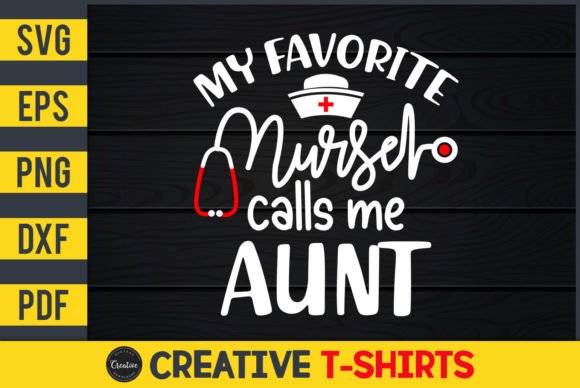
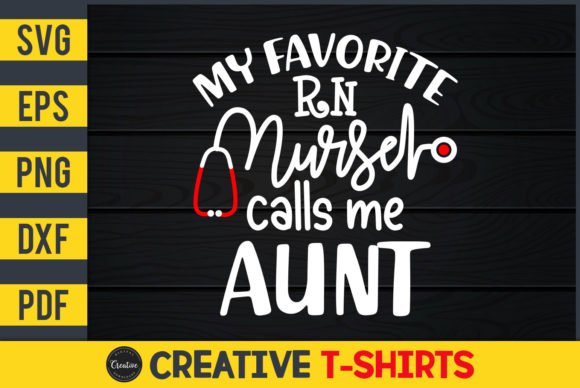
The immediate mood here is affectionate and personal. "My Favorite RN Nurse Calls Me Aunt" isn't a generic medical logo; it's a statement of relationship. That’s a powerful starting point for any embroidery project. The layout, with its clear, centered text, feels celebratory and direct. It’s a design that doesn’t whisper; it declares a special bond. This visual personality makes it a natural fit for personalized gifts and heartfelt custom apparel. I imagine it stitched onto a cozy sweatshirt for a nurse to wear off-duty, or on a tote bag she uses every day. It’s less about profession and more about personal pride and family connection.
Where This Design Shines in Real Projects
In practical use, this embroidery file has a broad appeal. Its straightforward, text-based nature means it adapts well across many products. For a craft business or Etsy seller, it’s a versatile asset. Think of it on a soft baby blanket for a newborn whose aunt is a nurse—a beautiful baby embroidery keepsake. It would work wonderfully as a embroidered patch, perhaps for a nurse’s jacket or bag. For holiday embroidery gifts, a neat stitch on a premium kitchen towel or a pillow cover makes for a thoughtful, lasting present.
Its clarity is key. On a tote bag design, the message would be readable and impactful. For sweatshirt embroidery, using a bold satin stitch for the letters would create a luxurious, raised texture that feels high-quality. In a small shop product lineup, this design adds a niche, emotional option that can resonate deeply with customers looking for meaningful, not just decorative, items.
A Scenario: The Custom Embroidered Tote
Picture preparing a custom tote bag as a gift for a retiring nurse. You’re using a sturdy canvas. The "My Favorite RN Nurse Calls Me Aunt" design, stitched in a rich navy or burgundy thread, becomes the focal point. Its success hinges on stitch execution. The letters need to be clean, with good density so they don’t look sparse on the coarse fabric. A proper stabilizer is non-negotiable here to prevent puckering. The final product feels professional, heartfelt, and durable—exactly what a handmade product should be. This is where the digital embroidery file proves its worth, transitioning from a graphic to a tangible item that tells a story.
Considerations for a Stitch-Perfect Result
While the design is adaptable, some situations require careful planning. The main consideration is the lettering scale. On smaller items like a cap or the chest of a baby onesie, you must ensure the text size is large enough to remain clear after stitching. Small hoop sizes might necessitate a slight simplification if the design has very fine details or tiny connectors between letters. Always test the design on scrap fabric first, matching the final project’s texture—whether it’s a stretchy tee or a thick towel.
Dark fabric backgrounds demand high-contrast thread colors. A white or bright silver satin stitch would pop beautifully. On textured fabrics like sweaters, a fill stitch might work better than a delicate satin stitch to maintain readability. For products needing frequent washing, like aprons or tea towels, a robust stitch density and quality threads are crucial for longevity.
Impact on Your Work and Your Customer
Using a design like this effectively boosts your project’s value. It moves beyond decoration into personalization, which increases customer trust and engagement. For a creative entrepreneur, offering such a specific, emotional design can enhance your brand’s consistency as a source for meaningful crafts. The giftability is high; it’s instantly recognized as a custom, thoughtful piece.
The handmade presentation is everything. How this design is embroidered—the thread sheen, the stitch neatness—directly affects its perceived quality. A well-executed version on a mockup for your digital product previews or Etsy listings shows potential buyers the care you put into your finished product.
Practical Designer Notes Before You Hoop
- Always test on a fabric scrap that mimics your final project material.
- Check thread color contrast against your background fabric. Do a quick stitch-out in a small section.
- Review the stitch density in your machine software; adjust if needed for thicker or thinner fabrics.
- Confirm your hoop size can accommodate the design at the scale you want without compromising detail.
- Inspect small details in the letterforms. Are there any overly thin areas that might not stitch well?
- Test the design in black and white mockups to see how it reads purely on shape.
- Compare how it would look on both light and dark fabric backgrounds; plan your thread palette accordingly.
- Use proper stabilizer for the fabric type to ensure clean stitches and no distortion.
- Critically, check the provided license for the digital file to confirm it is suitable for both personal and commercial embroidery projects if you plan to sell the finished items.
As a machine embroidery design intended for real-world use, "My Favorite RN Nurse Calls Me Aunt" offers a solid foundation for creating emotionally resonant products. Its strength is in its clear, personal message. Your skill in translating that digital graphic into beautiful stitches—with attention to fabric, thread, and technique—will determine its ultimate success as a cherished personalized gift or a standout item in your craft business inventory.