An Embroidery Designer's Review of "Retired Nurse Just Like a Regular Nurse"
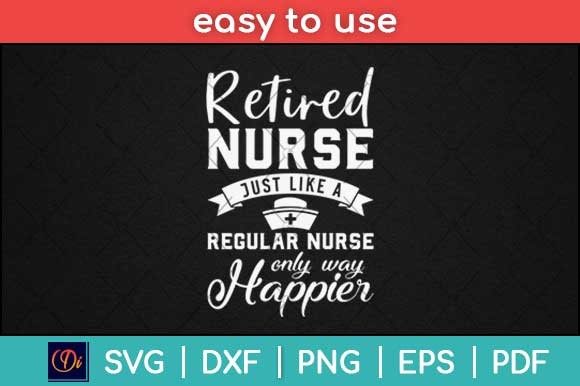
When a design like "Retired Nurse Just Like a Regular Nurse Only Way Happier" lands in my project folder, my first thought isn't about the file format—it's about the story it tells and the stitch it will become. From the perspective of someone who turns digital files into tangible, thread-based products, this is a design with a very clear and wonderful purpose. It speaks directly to a moment of transition, celebration, and pride.
The Immediate Mood and Visual Personality
The first impression here is pure, warm affirmation. The phrase itself creates an instant emotional connection. For an embroidery project, that’s gold. It’s not just text; it’s a declaration. The layout, as a typical cut file intended for machines like Cricut or Silhouette, implies clean lines and distinct shapes, which translates beautifully into embroidery. We’re looking at a design that’s going to rely on crisp lettering and likely a supportive graphic element—perhaps a nurse’s cap or a heart—to carry that joyful message. The personality is friendly, celebratory, and deeply personal, making it a natural fit for commemorative gifts and custom apparel.
Where This Design Finds Its True Home
In practical terms, I envision this design coming to life on items that honor someone’s life’s work. Picture a custom embroidered tote bag for a retiree to carry on her new adventures. The sturdy canvas of a tote provides a perfect backdrop for a clean satin stitch rendition of the text. A cozy sweatshirt, embroidered on the left chest, becomes a personal badge of honor worn with pride. For a lighter touch, a beautifully embroidered pillow cover for a living room or a crisp kitchen towel adds a touch of personalized home decor.
This also shines as a boutique-ready product. For small shop owners and Etsy sellers, a pre-made embroidered patch featuring this design allows customers to easily attach it to a jacket or bag. As a focal point on a baby’s blanket for a retiring grandmother, it becomes a heartfelt heirloom. The key is matching the design’s celebratory tone with a product that feels giftable and special.
Considering the Stitch: A Real-Life Scenario
Let’s walk through a real case. I’m preparing a custom embroidered denim cap for a client celebrating her mother’s retirement from nursing. My mind immediately goes to the execution. The curved surface of a cap requires careful attention to hoop placement and stabilizer choice. The likely clean, sans-serif font style of this embroidery file is advantageous here—it should translate well into a running stitch or a modest satin stitch without overly dense fill areas that could pucker on curved fabric. I’d test the stitch density on scrap fabric first, ensuring the lettering remains legible and comfortable on the garment.
Where to Exercise a Bit of Caution
While the design’s message is universal, its embroidery application needs thoughtful placement. On very small items, like a tiny baby bib, if the design includes fine details or small lettering, clarity could be compromised. Similarly, on highly textured fabrics like a loosely knitted sweater, the text might lose definition. I’d avoid stitching it onto thin, stretchy fabrics without a robust stabilizer, as the pull of the stitches could distort the powerful statement.
For dark fabric backgrounds, the thread color contrast is paramount. This isn’t just about white thread; perhaps a soft gold or a cheerful pastel would elevate the “way happier” sentiment. The goal is to make the words pop with the same joy they convey. Also, on products destined for frequent washing, like kitchen towels or everyday sweatshirts, securing all the stitches and using quality thread becomes even more critical for longevity.
The Impact on Product Value and Customer Trust
From a business perspective, using a design like “Retired Nurse Just Like a Regular Nurse” correctly adds significant value. When embroidered cleanly on a well-chosen product, it feels like a premium, personalized gift. It shows attention to detail and emotional intelligence—you’re offering more than a generic item. This builds customer trust and encourages repeat business. For the crafter, it’s a project that inherently feels good to make, and that positive energy translates into the finished product.
The design’s clarity and positive message also enhance brand consistency for a creative entrepreneur specializing in celebratory or occupational themes. It fits seamlessly into a collection of life-event designs. In a digital product marketplace, a well-executed printable mockup of this design on an embroidered towel or bag immediately communicates its potential to fellow makers, boosting engagement in your Etsy listing or shop.
Practical Notes for the Working Designer
Before loading the file and starting the hoop, here’s my standard checklist for such a project. Always run a test on scrap fabric that mimics your final product’s texture and color. This reveals any issues with stitch density or small detail integrity. Confirm your hoop size can accommodate the design comfortably—forcing a large design into a small hoop is a recipe for distortion.
Inspecting the design’s small details in your software is crucial. Are there any tiny corners in graphic elements that might need a slight adjustment to stitch cleanly? I also recommend testing the design concept in both light and dark fabric digital embroidery file previews to plan your thread palette. And fundamentally, always check the licensing before using any design for commercial embroidery projects or selling finished items. Understand the permissions granted for the specific file you have.
The Final Verdict for Makers
“Retired Nurse Just Like a Regular Nurse” is a design with a powerful, ready-made audience. Its value in embroidery comes from its heartfelt message and its potential for clean, legible stitching. It belongs on items that celebrate, honor, and bring joy. By pairing it with the right fabric, the right stabilizer, and thoughtful execution, you transform a digital graphic into a tangible piece of appreciation that will be treasured. It’s a design that reminds us why we do this work—to make things that matter, stitch by stitch.