My Favorite Nurse Calls Me Granny: A Design Review for Crafters
As a designer who’s stitched countless words onto fabric, I approach every new design file with a practical eye. The first question I ask isn't "is it cute?" but "how will it look after the needle runs?" Today, I’m thinking through "My Favorite Nurse Calls Me Granny," a freebie graphics file, from that exact perspective.
First Impressions: Warm, Witty, and Ready for Stitching
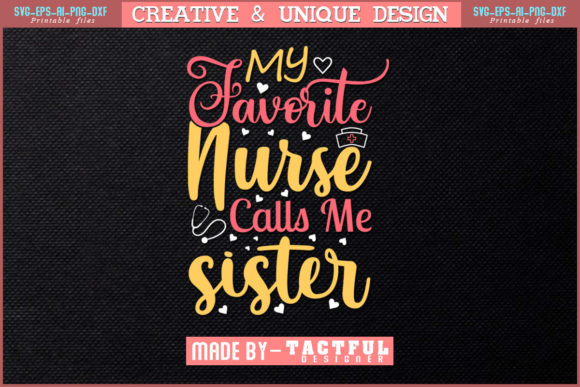
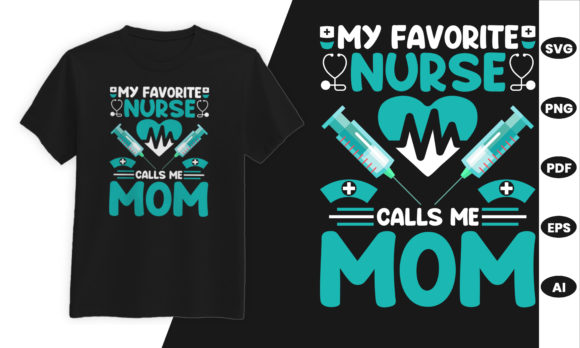
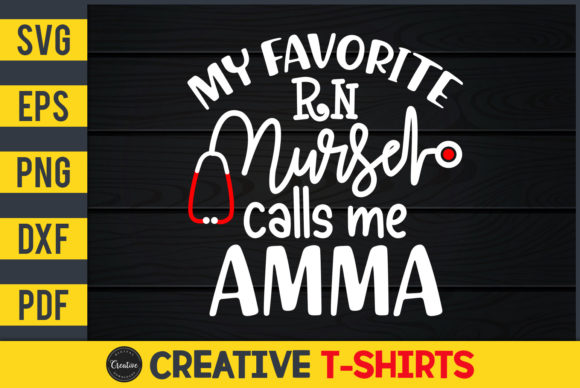
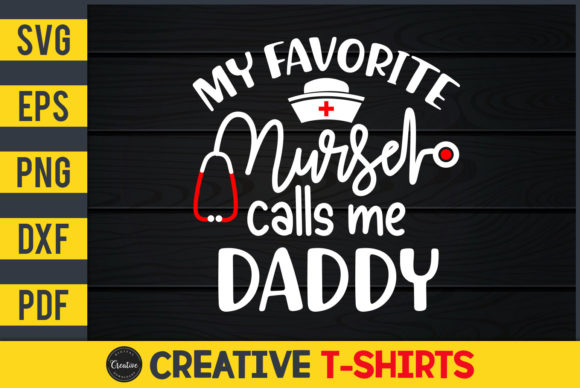
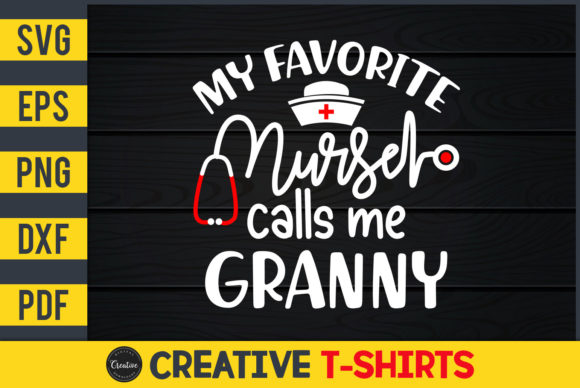
The phrase itself has an immediate, personal warmth. It’s not a generic "Thank You Nurse" sentiment; it’s specific, familial, and carries a story. This gives you a head start on emotional connection when you’re creating a personalized gift or a boutique product. The layout likely centers the phrase, creating a focal point perfect for a straightforward embroidery project. Visually, it suggests a project meant to feel heartfelt and slightly playful, rather than formal or corporate.
The Perfect Project Fit: Where This Design Belongs
Imagine you’re preparing a custom tote bag for a grandmother whose daughter or granddaughter is a nurse. This design is the obvious choice. It’s tailor-made for gifts—think embroidered pillow covers for a nurse’s lounge, a cozy sweatshirt for the proud granny, or a delicate tea towel for her kitchen. For small business owners and Etsy sellers, it’s a strong candidate for holiday gift listings or as part of a "family pride" collection alongside other relational designs.
The clear, presumably uncluttered lettering means it will translate well to a variety of surfaces. It would be charming on a baby’s blanket if that nurse is also a new mom, creating a layered family narrative. As an apparel decorator, I’d see this working beautifully on the left chest of a classic apron or centered on a cotton cap. The key is pairing it with a product that feels personal and handmade.
Navigating the Stitching: Practical Considerations for Real Fabric
This is where your designer judgment comes in. While the sentiment is strong, the execution dictates the final product's value. For "My Favorite Nurse Calls Me Granny," the likely focus is on the lettering. On textured fabrics like some sweaters or tote bag weaves, small lettering can lose clarity if the stitch density isn't robust. On curved surfaces like caps, the design’s layout needs to be adaptable to the curve without distorting the readable phrase.
Dark fabric backgrounds require careful thread color contrast planning—a bright white or a soft pastel might be necessary to pop. For products needing frequent washing, like kitchen towels or baby clothes, you’d want to ensure the stitch structure is solid enough to withstand laundering without fraying, avoiding overly tiny, delicate details in the corners.
From Digital File to Finished Product: Building Customer Trust
When you move from the digital embroidery file to a physical finished product, this design’s appeal directly impacts customer trust and your professionalism. A clean, well-stitched rendition of this phrase on a high-quality sweatshirt tells the buyer you understood the assignment. It feels intentional, not random. For creative entrepreneurs, using such a targeted design consistently across a line of gifts—say, on tote bags, pillow covers, and patches—can build brand consistency around familial appreciation themes.
The "giftability" here is high, which boosts buyer engagement. A customer looking for a nurse-themed gift will recognize this as a uniquely personal option compared to more generic medical logos. That recognition turns a viewer into a buyer.
Designer Notes Before You Hoop the Fabric
Always, always test a new design on scrap fabric first. Use the same material and stabilizer you intend for the final project. For "My Favorite Nurse Calls Me Granny," pay close attention to the small lettering. Stitch it out and inspect the readability from a few feet away—that’s the viewing distance for most apparel. Check thread color contrast by imagining it on both light and dark backgrounds; sometimes a simple black-and-white digital mockup can reveal contrast issues.
Confirm your hoop size can accommodate the design without needing excessive scaling, which can distort proportions. Given this is listed among freebies graphics, a crucial step is to confirm the licensing terms before selling any finished items or commercial embroidery projects. While the file is provided, its use for commercial products may have specific conditions. Always verify.
Finally, consider the stitch density if you’re working with thin or stretchy fabrics like some t-shirts. A dense fill stitch area in the lettering might require a heavier stabilizer to prevent puckering. Your goal is to make the sentiment shine through the craftsmanship, with every stitch reinforcing the warm, witty message that "My Favorite Nurse Calls Me Granny" is meant to convey.
Embroidery as Storytelling: The Final Verdict
This design isn’t just a set of letters; it’s a short story waiting to be told in thread. For embroidery designers and makers, it offers a straightforward but emotionally resonant path to a great finished product. Its best use is on items where that personal story is the centerpiece—a gift, a boutique keepsake, a custom apparel piece celebrating a specific relationship.
By approaching it with these practical steps—testing, considering fabric, verifying licensing, and matching it to the right product—you transform a freebie graphics file into a professional, valuable handmade product. It reminds us that in embroidery, the design we choose is the first stitch in building a connection between the maker, the wearer, and the story they share.