A Professional Review of the "My Favorite Nurse Calls Me" Embroidery Design
First Impressions: A Design That Speaks Directly to the Heart
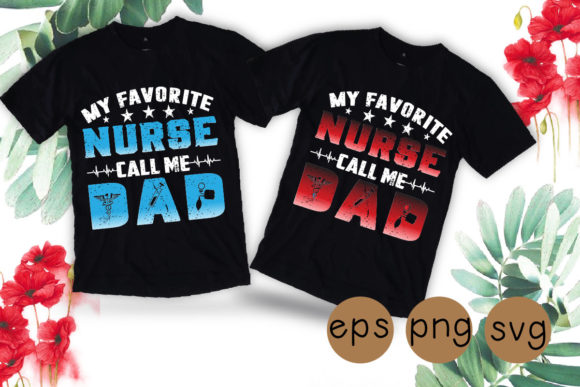
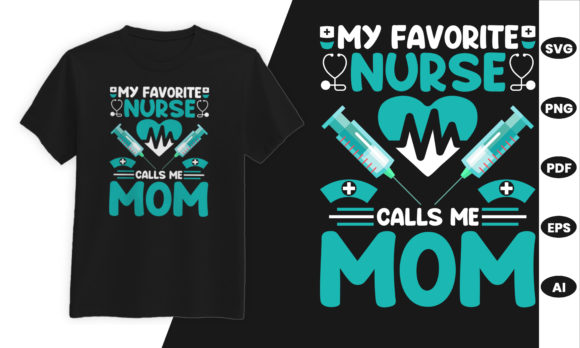
When I first opened the "My Favorite Nurse Calls Me" design file, my immediate thought was, "This is for a specific, heartfelt moment." The design doesn’t shout; it communicates. The central theme is clear and personal, built around a title that feels like an inside joke, a badge of honor, or a tender acknowledgment. Visually, it leans toward a layout that is likely balanced, with the textual element taking prominence. It creates a mood of appreciation and personal connection, which is perfect for embroidery. It’s not a generic graphic; it’s a narrative piece. This tells me it belongs to projects where the story is the product—a custom gift, a personalized keepsake, or boutique merchandise aimed at celebrating a special person.
The Natural Habitat for This Design
In practical terms, this design naturally gravitates toward projects that carry emotional weight. I envision it stitched onto a cozy, well-made sweatshirt for a nurse coming home from a long shift. It would look excellent on the front of a sturdy tote bag—something a healthcare professional could use daily. Baby items, like a blanket for a nurse’s newborn, would be a beautiful application, turning it into a family heirloom. As an embroidered patch, it could be attached to a backpack or a cap, offering a more casual, mobile expression. For small business owners, especially those on Etsy or at craft fairs focusing on personalized gifts, this design is a ready-made asset for holiday gifts, wedding presents for medical couples, or simple nursery decor for a nurse’s child.
Performance in Real Embroidery: Where It Shines and Where to Be Mindful
When translating this from a digital embroidery file to actual stitches, its success hinges on application. On custom apparel like t-shirts and sweatshirts, the design’s clarity will be paramount. The text, presumably the core element, needs stitching that is crisp. On a tote bag or apron made from a cotton canvas, it would hold up beautifully, with satin stitches or fill stitches standing out against the textured fabric. For a pillow cover or a kitchen towel, it becomes a decorative, functional statement.
However, this is where a professional’s caution comes in. The design’s detail level will determine its limits. If it contains tiny lettering or intricate decorative accents, you must be careful. Small hoop sizes might compress these details, losing clarity. Stretchy or thin fabrics, like on certain t-shirts, could distort the design without proper stabilizer. Dark fabric backgrounds require thoughtful thread color contrast planning—a white or bright satin stitch might be perfect. Embroidering on curved surfaces like caps demands checking the layout’s adaptability. And for any product meant for frequent washing, such as baby clothes or kitchen linens, you must ensure the stitch density is robust enough to withstand wear without fraying.
Scenarios That Demand Extra Preparation
Let’s walk through a real-life scenario: You’re preparing a custom embroidered holiday gift—a premium sweatshirt for a client who wants to thank their nurse sister. You have the "My Favorite Nurse Calls Me" design. Your first step isn’t the main fabric. It’s a scrap. You test the embroidery file on a similar-weight scrap fabric. You check the thread color contrast against the final garment color. You review the stitch density in any dense areas to prevent puckering. You confirm the hoop size needed accommodates the entire design without crowding. You inspect the small details, especially if there are any fine running stitch elements, to ensure they’ll translate clearly. This pre-work directly impacts the visual appeal, stitching clarity, and ultimate product value. It builds customer trust because the finished product looks professional and handmade, not haphazard.
The Impact on Your Craft Business and Customer Engagement
Using a design like this effectively influences more than just the stitch. For creative entrepreneurs, it affects brand consistency. If your small shop product line focuses on heartfelt, personalized gifts, this design aligns perfectly, enhancing your brand’s story. Its giftability is high—it feels specific and considerate. For an Etsy seller, a well-executed embroidered item using this design can drive buyer engagement because it taps into a clear, relatable sentiment. The recognition factor is strong; it speaks directly to a community—families and friends of healthcare workers. In a commercial embroidery project, like producing a batch of caps for a nurse’s week event, it adds a layer of professionalism and unity.
But a crucial note: This design is categorized as a graphic for t-shirt designs. As an embroidery designer, you are adapting a digital product. Always, confirm the licensing terms before selling finished items or using it in commercial embroidery projects. The product description mentions digital files for yourself, friends, family, or anyone who supports. Clarify whether this extends to commercial sale of your embroidered products. Do not assume.
Essential Embroidery Designer Notes for This Project
Before you commit this design to a final project, make these checks part of your routine.
- Always test the embroidery design on scrap fabric first.
- Check thread color contrast against your final fabric, both light and dark backgrounds.
- Review the overall stitch density; adjust stabilizer use accordingly.
- Confirm the physical hoop size required matches your machine capability and the item you’re decorating.
- Inspect small details and corners in the stitched test sample.
- Consider creating black and white printable mockups to see the layout’s impact without color.
- Use a stabilizer appropriate for your fabric type—woven vs. stretchy.
- Verify the design works for your intended use, personal or commercial, by checking the provided license.
- Think about the finished product’s lifespan; a dense design on a baby blanket needs to endure washing.
Final Judgment: A Design with Purposeful Appeal
The "My Favorite Nurse Calls Me" design succeeds because it has a focused purpose. It’s not trying to be everything for everyone. In embroidery, that specificity is a strength. It guides you toward suitable projects—personalized gifts, boutique merchandise, custom apparel with a story. Its visual personality is likely warm and direct, which translates well into the tactile, textured world of embroidery. For machine embroidery designers and makers, it represents a ready-to-use design asset that, with proper technical preparation, can become a finished product that truly resonates. Your job is to marry that digital graphic with the practical craft of embroidery, ensuring the stitches honor the sentiment behind the title. When done thoughtfully, it’s not just an embroidery project; it’s a crafted compliment.