Nurse Tee Design: A Professional Review for Embroidery Projects
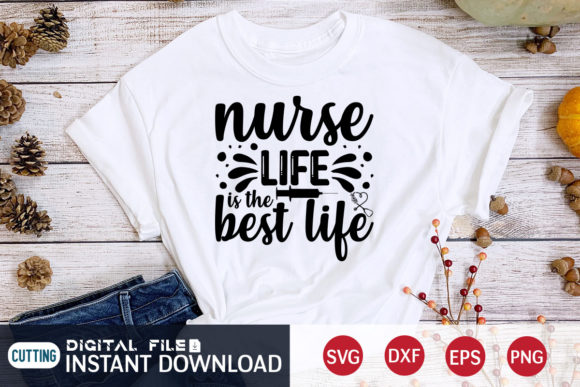
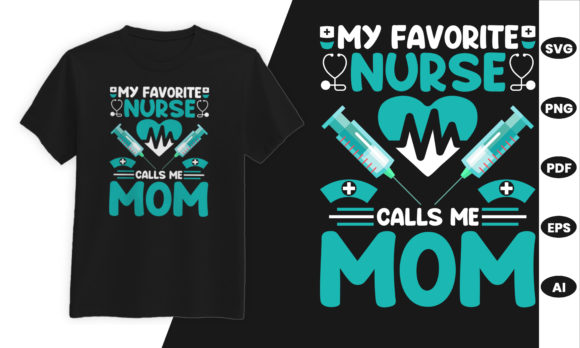
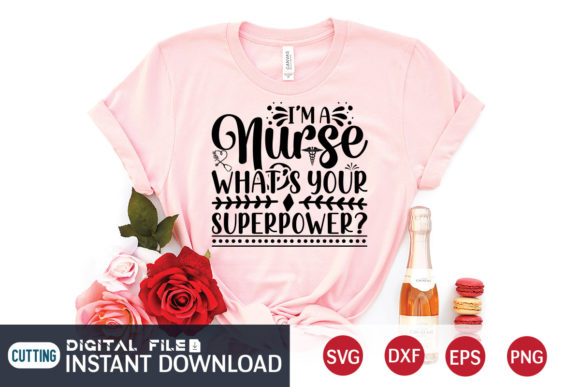
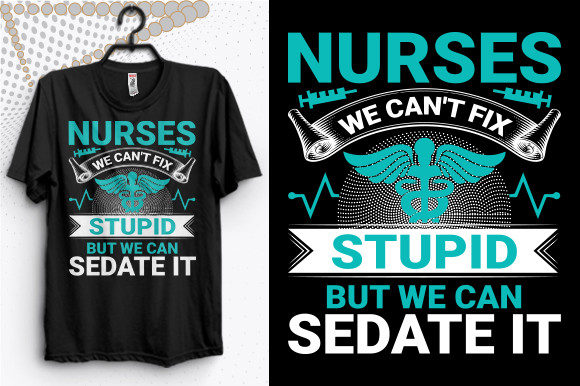
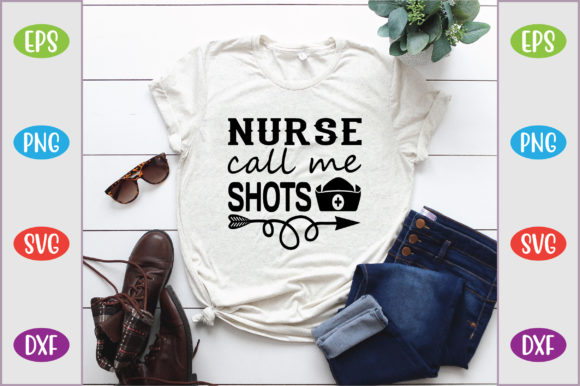
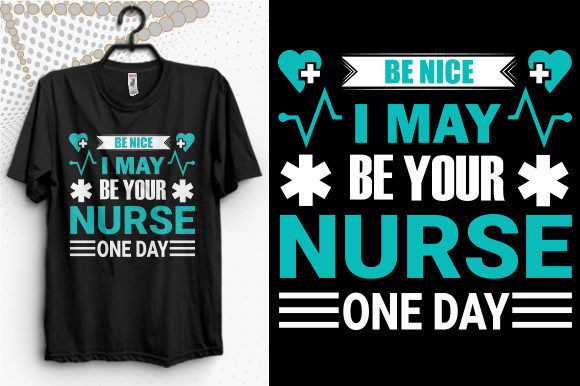
When I’m reviewing a design like this T-Shirt Design Nurse Tee, my first thought isn’t just about the files in the zip. It’s about the final, stitched product. I imagine holding it up after it comes off the machine, seeing how it sits on a fabric, and picturing the person who will wear or use it. This is a design with a clear, friendly purpose. Its visual personality is straightforward and appreciative, built around a classic nursing theme that speaks directly to a community.
The First Impression: Where This Design Naturally Belongs
The layout and detail level here suggest it’s meant to be seen and understood quickly. It’s not overly fussy, which is a strength. For an embroidery designer, that means it’s likely to translate well into stitch forms without losing its intent. The mood it creates is professional yet personal, making it a natural fit for projects meant as gifts, recognition items, or merchandise for healthcare workers, students, or related small businesses.
In my mind, I immediately see this on a soft, high-quality sweatshirt for a nurse finishing a long shift, or elegantly stitched on a tote bag for a nursing student. It has that giftable quality. It could become a cherished personalized gift, far more meaningful than a generic store-bought item. For a crafter or Etsy seller, that emotional connection is where the real value lies.
Performance in Real-Life Embroidery Situations
Let’s talk about real use. I’m thinking through a scenario: a client requests custom apparel for a nurse’s retirement party. They want something special, not just a printed tee. This design, as an embroidery file, offers that handmade, elevated feel. On a polo shirt or a crisp apron, it adds a touch of professionalism and care. The fact that color change is possible and the shapes are resizable is crucial here. I can adapt it to match a specific school or hospital color scheme, or scale it perfectly for the center of a pillow cover meant as a nursery decor gift from a nursing team.
For commercial embroidery projects, like a small shop producing merchandise for a local clinic, the versatility of the included vector files (like AI, SVG, EPS) is a significant advantage. It allows for clean adjustments and consistent branding across different products—from caps to patches. For craft fair products or boutique branding, having a “print ready” base means you can also create sharp printable mockups for your online listings, which helps with buyer engagement.
Where You Need to Apply Some Careful Judgment
No design is universally perfect for every substrate. With this Nurse Tee design, the level of detail and the potential for smaller elements (like any fine lettering or intricate corners implied by the vector shapes) means you must be strategic. On textured fabrics like some sweatshirt materials, or on curved surfaces like caps, very small details might lose clarity. Stitch density needs to be managed to prevent a stiff feel on thin or stretchy fabric, especially for t-shirts or baby clothes.
Dark fabric backgrounds require thoughtful thread color contrast planning—you might need to test a section on scrap fabric first to ensure the design pops without needing an overly dense fill stitch that could pucker. For products destined for frequent washing, like kitchen towels or everyday wear apparel, a simpler stitch execution often holds up better. This design’s apparent simplicity suggests it can be adapted for that, but always inspect the small details in your embroidery software before hooping.
Impact on Your Project’s Value and Presentation
Using a clean, well-structured design like this affects more than just the stitchout. It boosts the perceived value of your handmade product. A customer seeing a crisp, intentional embroidered patch on a tote bag feels a higher level of craftsmanship and trust. It elevates your work from a simple decoration to a considered design asset. For a creative entrepreneur, that builds brand consistency and professionalism.
The recognition factor is high. This isn’t an abstract graphic; it’s clearly a “Nurse tee” design. That instant understanding increases its giftability and marketability. In a digital product preview or on an actual finished product in your Etsy shop, it communicates its purpose immediately, which helps turn viewer interest into a sale.
Practical Notes for the Embroidery Designer
Before you run this design on your machine for a real project, here’s my standard review checklist. I apply this to any design, including this T-Shirt Design Nurse Tee.
- Always test on a scrap of your target fabric first. This tells you everything about how the stitch density interacts with the fabric texture and whether you need a heavier or lighter stabilizer.
- Check thread color contrast. Run a small section in both light and dark thread on your planned background color. Sometimes a design needs a slight color shift to maintain clarity on dark fabrics.
- Review the design in your software at your intended hoop size. Zoom in and inspect the smallest details. Are there corners or lines that might become too fine to stitch cleanly at your chosen scale?
- Confirm the licensing. The product description doesn’t specify license terms. You must verify whether your use—especially selling finished items or digital products—is permitted. Never assume.
- Consider the final product’s use. For a baby embroidery item on delicate fabric, you might want to simplify the design slightly or use a softer fill stitch. For a robust holiday gift like a blanket, you can likely use the full design as-is.
Remember, the files provided are a starting point. Your skill as an embroidery designer in choosing the right hoop size, stabilizer, thread colors, and application method turns this digital embroidery file into a beautiful finished product.
Final Thoughts: A Design Built for Adaptation
This T-Shirt Design Nurse Tee feels like a practical tool in an embroidery designer’s kit. It’s not overly complex, which means it’s adaptable. It’s clearly meant for appreciation and recognition, which gives it a strong emotional core for your projects. Whether you’re creating a custom embroidered tote bag for a nurse friend, producing a line of caps for a small business, or adding a heartfelt gift to your craft business offerings, this design provides a solid, resizable foundation.
The key, as always, is to marry the digital asset with your real-world embroidery knowledge. Test it, adapt it, and place it thoughtfully on products that suit its character. That’s how you transform a graphic into a stitched piece that carries real meaning and quality, building your reputation as a maker who delivers thoughtful, professional work.