The Medical Assistant American Flag: A Designer's Hands-On Review
Before I stitch anything for a client or my own shop, I spend time really looking at a design. It’s not just about the graphic on the screen; it’s about imagining how it will live as thread on fabric. Today, I’m considering the Medical Assistant American Flag design for real project use.
First Impressions: Patriotism with a Professional Heart
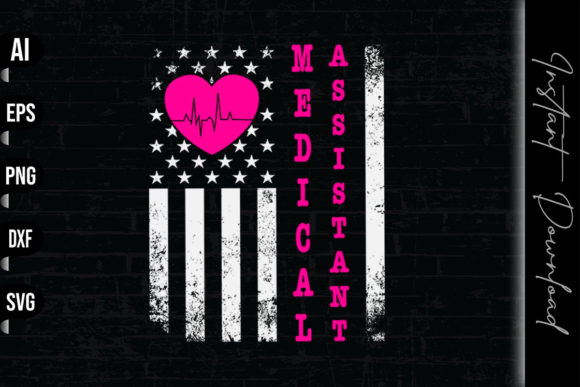
The immediate mood here is respectful pride. The fusion of a classic American flag with a medical focus creates a visual that’s both celebratory and sincere. The layout typically combines recognizable flag elements with text or symbols related to the medical field, resulting in a balanced, emblem-like feel. This isn’t a overly casual or whimsical graphic; it carries a weight of appreciation. For an embroidery designer, that tells me it naturally belongs to projects meant for recognition, gifts of gratitude, or professional identity—think commemorative items, thank-you gifts, or apparel for someone in the field.
Where This Design Finds Its Best Stitched Home
In my practical judgment, this design shines on certain surfaces. A custom embroidered tote bag for a graduating medical assistant feels like a perfect fit—the flat, stable fabric allows the flag details and any text to stitch out with clarity. Similarly, a left-chest embroidery on a polo shirt or a sweatshirt for a clinic team would wear this design well, offering a professional yet personal touch.
I’ve mentally run through other scenarios: a neat, smaller version on the corner of a nurse’s apron, a bold statement on a pillow cover for a home office, or even as a framed hoop art piece for a medical office wall. For craft businesses, this translates well into holiday gifts around patriotic holidays or as year-round appreciation items. As an Etsy seller, I’d lean towards offering it on premium items like quality hoodies or keepsake blankets, where the theme enhances the product’s perceived value and giftability.
Handling the Details in Real Embroidery Situations
Let’s talk execution. Any flag design involves stripes and often a canton area. The stitch density here is crucial. On a tote bag or tea towel, a denser fill stitch might look rich and durable. On a baby onesie or a lightweight t-shirt, I’d be cautious; a very dense area could make the fabric stiff or prone to puckering. The small details, like any stars or tiny lettering for “Medical Assistant,” demand attention. I always advise testing on scrap fabric first, especially if you plan to stitch a smaller hoop size. This confirms whether those fine elements retain their clarity or become muddled.
Thread color contrast is another key practical point. The traditional red, white, and blue palette is clear, but on a dark fabric background, you might need to reconsider the “white” stripes—perhaps a light blue or cream can maintain contrast without looking stark. Always test in both light and dark fabric mockups, even digitally, to preview the final appeal.
Potential Pitfalls and Careful Application
Not every project is ideal. I’d use this design carefully on highly textured fabrics like some blankets, where fine lines might get lost. Similarly, stretchy fabrics like certain cap materials or fitted t-shirts require excellent stabilizer and possibly a simplified version to avoid distortion on curved surfaces. The corners of flag elements can be tricky with satin stitch borders; they need to be sharp, not rounded-over.
For products destined for frequent washing, like kitchen towels or everyday caps, a robust stitch structure and quality threads are non-negotiable to maintain that handmade presentation and customer trust over time. This isn’t a design I’d automatically choose for tiny, intricate items like jewelry pouches; its spirit is more about statement and recognition.
The Impact on Your Craft Business and Clients
From a commercial embroidery perspective, this design can bolster brand consistency for a small shop specializing in appreciation merchandise. It feels professional and thoughtfully assembled, which engages buyers looking for meaningful rather than generic items. For a digital product seller offering the file, its clarity in printable mockups and versatility as a design asset are significant selling points.
When a customer sees this embroidered on a gift, it communicates a specific message of national pride combined with professional respect. That dual resonance can increase the perceived value of the finished product. For personalized gifts, it’s a strong choice, but it’s less about personalization of the name and more about honoring the role itself.
Practical Designer Notes Before You Hoop It Up
My routine before running any new embroidery file like this includes a few checklist items. First, I always confirm the licensing terms for the digital embroidery file—can it be used for both personal and commercial projects? This is foundational for any craft business or Etsy seller.
Then, I consider the technical fit. Without specific details provided, I recommend you check the intended hoop size range and machine compatibility yourself. Assess the stitch count if available; high counts can be beautiful but require more time and material, affecting your project costing. For an applique design version, the process changes, focusing on fabric layers under clean satin stitch borders.
Finally, think about the end-use. Is this for a one-time holiday gift, or for inventory in your small shop product line? That decision influences how you optimize the stitching for durability and cost. A patch for a jacket needs a sturdy edge; a design for nursery decor might use softer thread colors.
A Real-Life Scenario: Crafting a Commemorative Tote
Imagine I’m preparing a custom embroidered tote bag as a graduation gift for a medical assistant program. I choose a natural canvas tote. The Medical Assistant American Flag design, stitched in a mid-sized hoop on the front panel, becomes the centerpiece. I opt for vibrant, classic thread colors and a sufficient stabilizer to handle the bag’s weave. The result is a dignified, usable item. The design’s theme directly mirrors the achievement, making the gift feel intentional and tailored. That’s the power of a well-chosen and well-executed embroidery design in real project use—it turns a simple object into a story.
In conclusion, the Medical Assistant American Flag design holds solid potential for embroidery designers and makers focused on meaningful projects. Its success hinges on matching it to the right fabric, scale, and purpose, and on executing the stitch details with care. Approach it with a practical, test-first mindset, and it can become a reliable asset for both personal gifts and commercial embroidery offerings.